
Why Carolina Bays Matter
Carolina Bays Benefit People and Nature

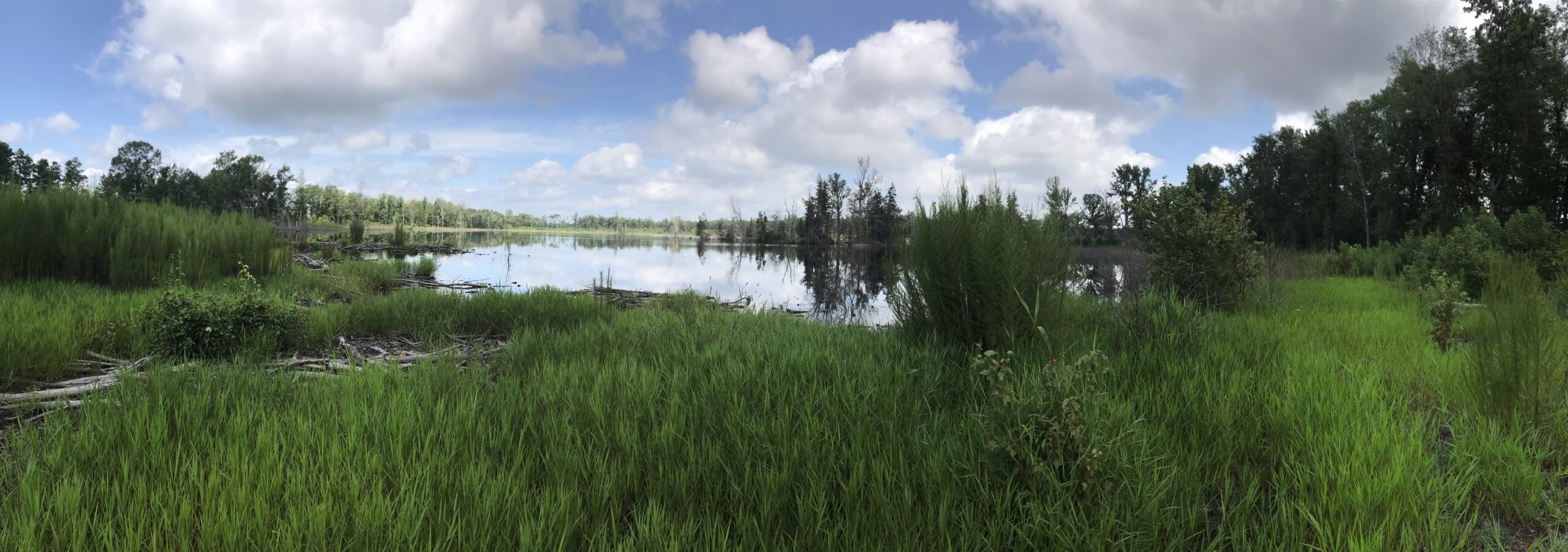
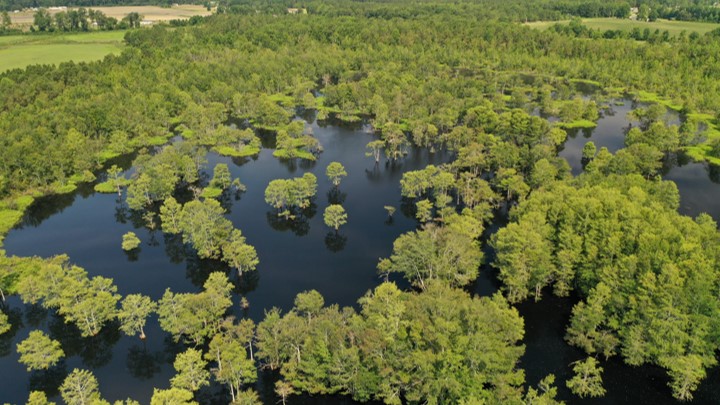
Carolina Bays can capture and retain floodwater, reducing downstream flood risk, and improving water quality by filtering water and reducing erosion. Restoration of bays via plugging drainage ditches or installing water control structures may be necessary to benefit downstream communities.

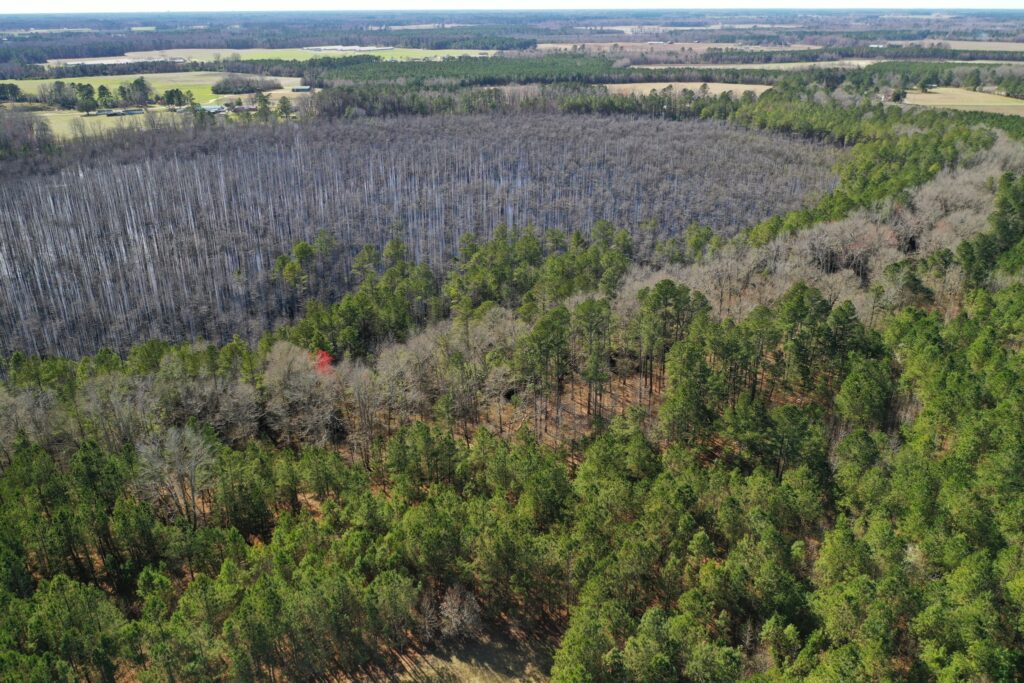
Most Carolina Bay communities are adapted to fire. Ample research indicates that prescribed fire can reduce wildfire risk by removing buildup of fuels and maintaining fire-resistant species. Much of the ecological deterioration we see in Carolina Bays is at least partially a result of lack of fire.


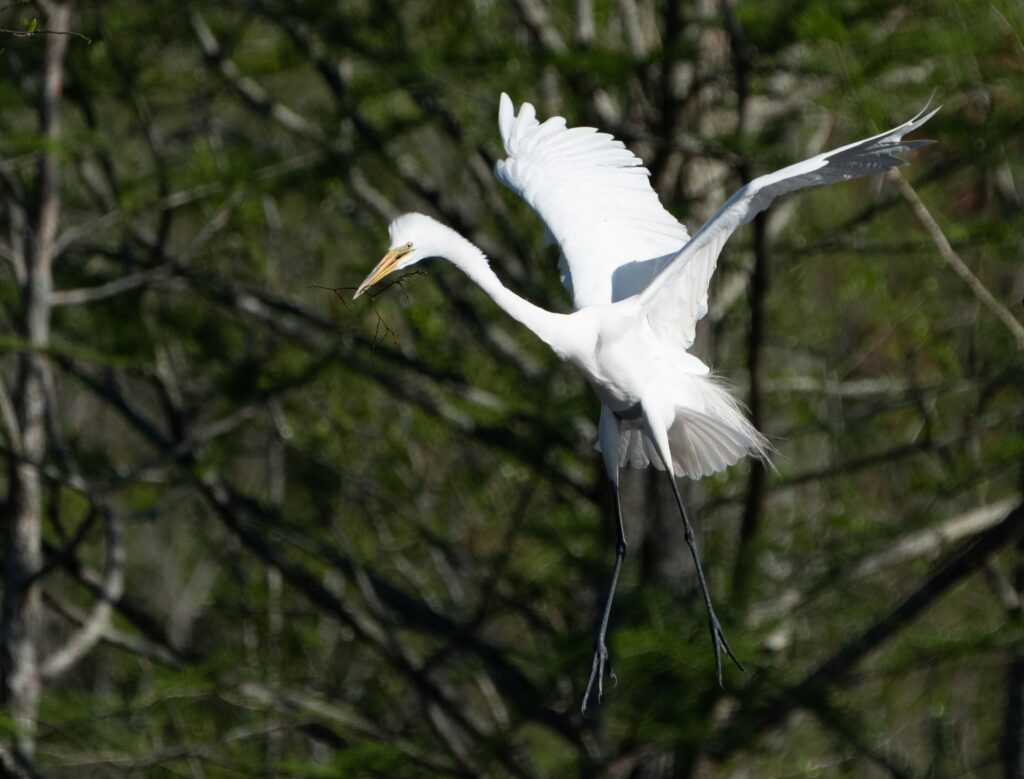
Carolina Bays provide valuable habitat for various wildlife species, including wading birds such as herons and egrets, rare amphibians and reptiles like tiger salamanders and chicken turtles, and mammals including deer and bobcats.

For generations, Carolina Bays have provided indigenous peoples with food, resources, clean water, and abundant wildlife. Recent archaeological efforts have documented the cultural significance of these sites. By continuing to care for these wetlands, we can ensure future generations can benefit from and appreciate all they provide.


Peat-based Carolina Bays are very effective at capturing and storing carbon from the atmosphere.

Some Carolina Bays provide opportunities for recreation such as hiking, birdwatching, paddling, hunting, and fishing. Bays located on public land that are open for recreational activities include Lake Waccamaw and Jones Lake State Park in North Carolina and Woods Bay in South Carolina.
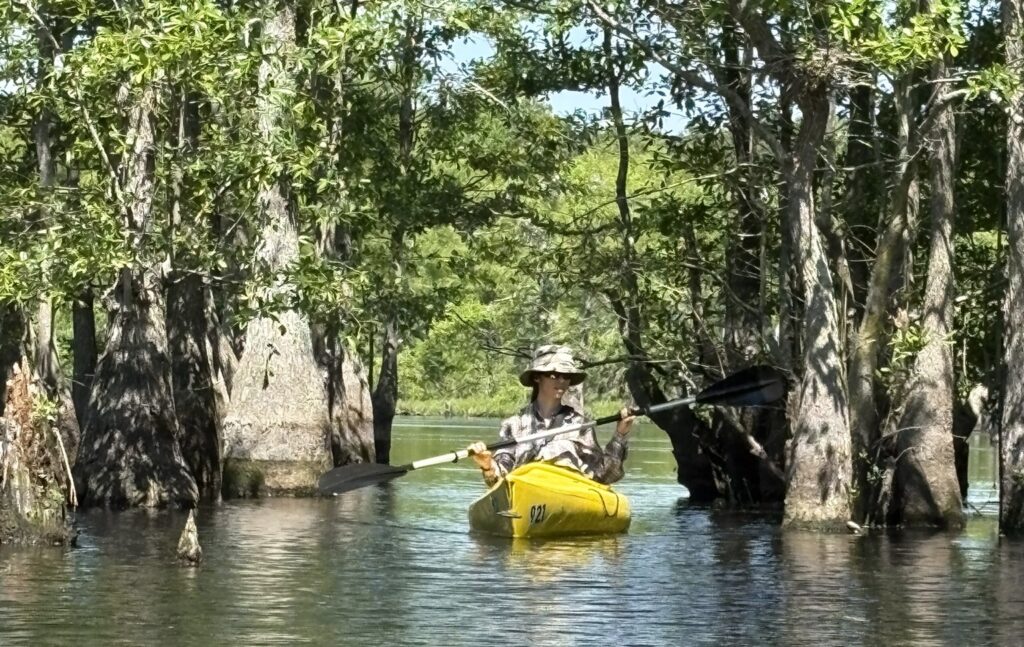
Banner Photo:Tunstall Bay, Jeff Marcus