
Management
Hydrologic Restoration
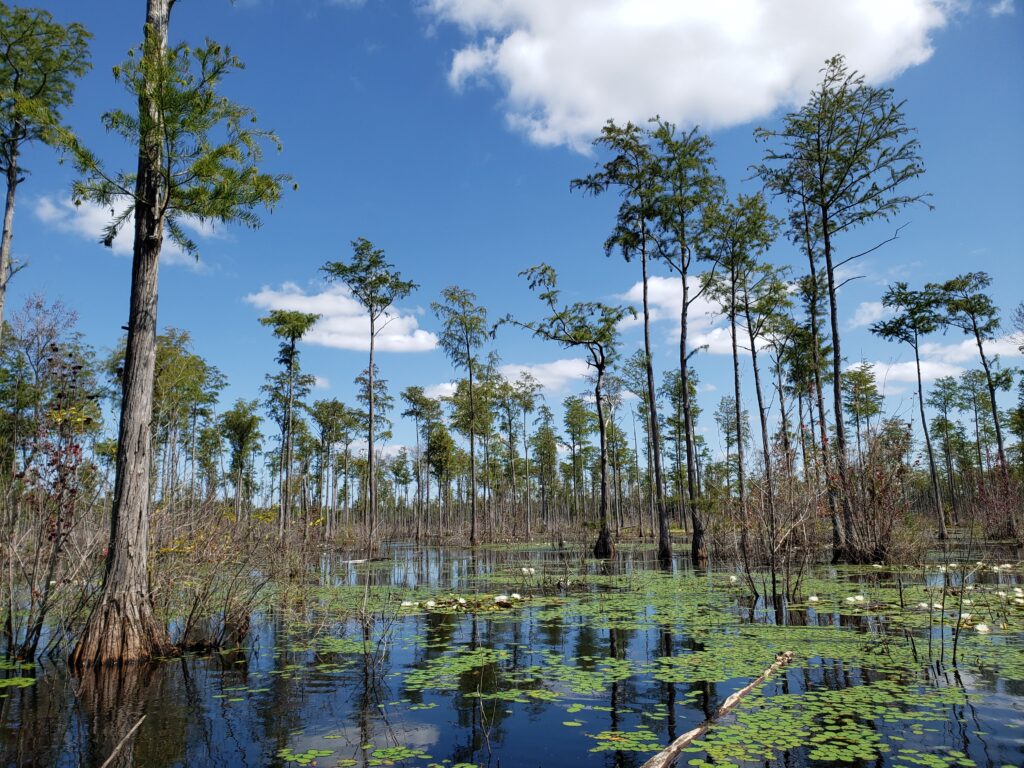
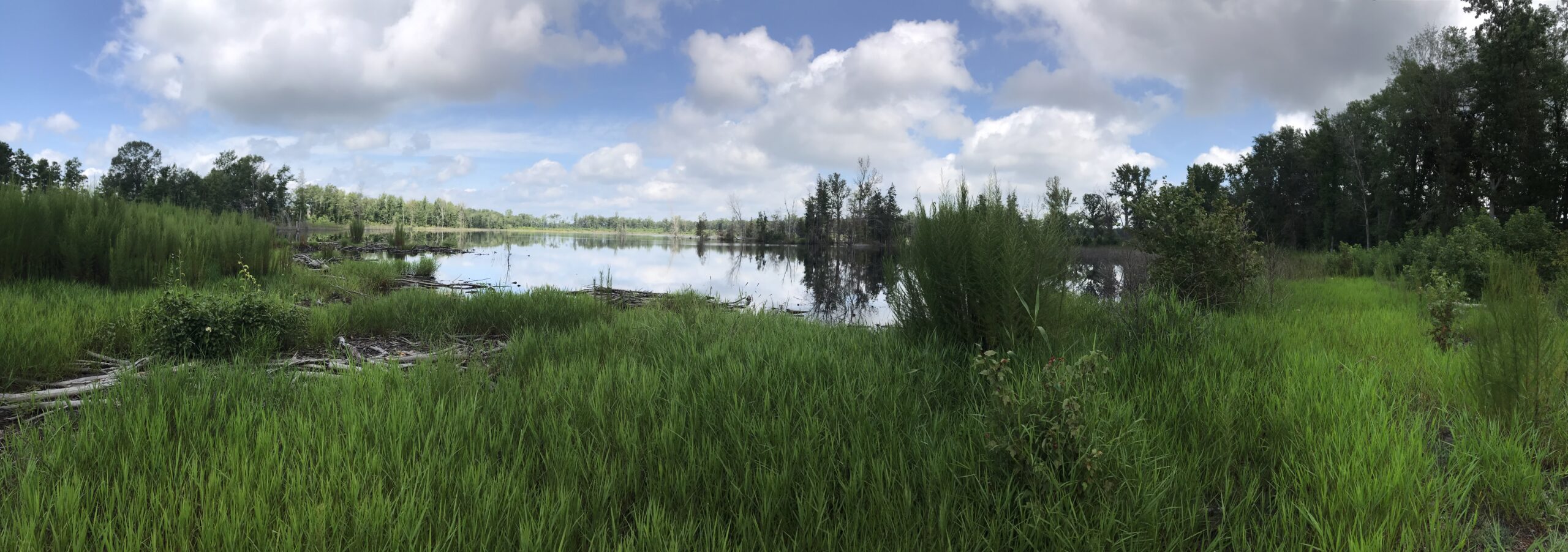
Restoring natural water movement is often the first and most important step in Carolina Bay conservation. Land managers restore seasonal flooding by plugging or filling drainage ditches, removing unnecessary culverts and water-control structures, and reestablishing natural basin contours where altered. Restoring the natural hydroperiod allows peat soils to remain saturated, improves water quality, and recreates seasonal breeding habitat needed by amphibians, aquatic invertebrates, such as crawdads, and wetland plants.
Photo: Big Cypress Meadow, Jeff Marcus
Prescribed Fire
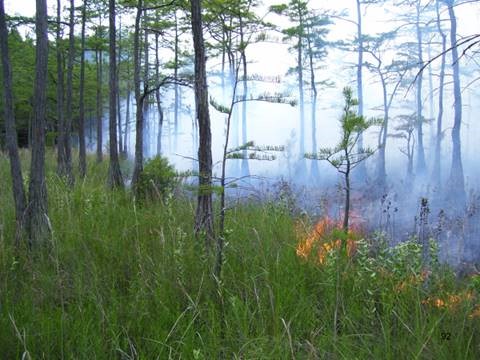
Many Carolina Bays occur within longleaf pine ecosystems that evolved with frequent, low-intensity fire. Carefully planned prescribed burns reduce dense shrub growth, prevent hardwood encroachment, recycle nutrients, and maintain the open plant communities that characterize these systems. Prescribed fire also reduces fuel loads, helping prevent severe wildfires that can occur when dry peat and accumulated vegetation ignite.
Photo: Prescribed Burn in Antioch Bay, NC, Alan Weakley
Invasive Species Management
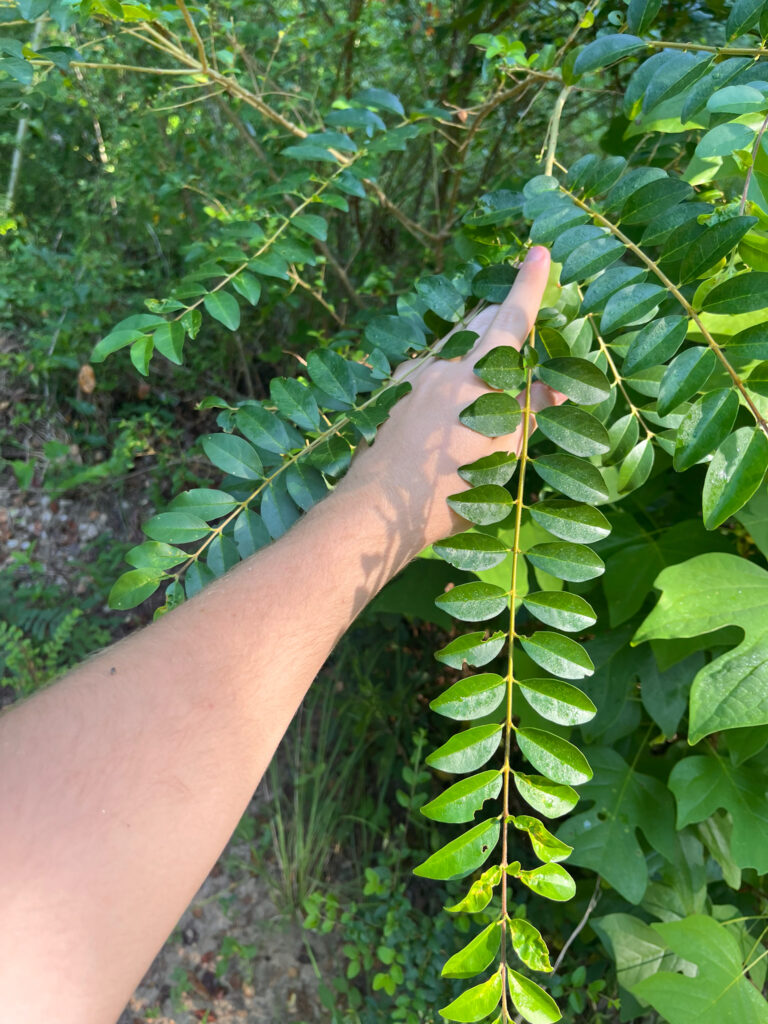
Land managers use a combination of mechanical removal, prescribed fire, carefully targeted herbicide treatment, and long-term monitoring to control invasive species while minimizing impacts on native plants and wildlife. Early detection and rapid response are often the most effective and least costly management strategies.
Photo: Privet, no rights reserved, uploaded by Niyan Shehan · iNaturalist
Protection & Conservation
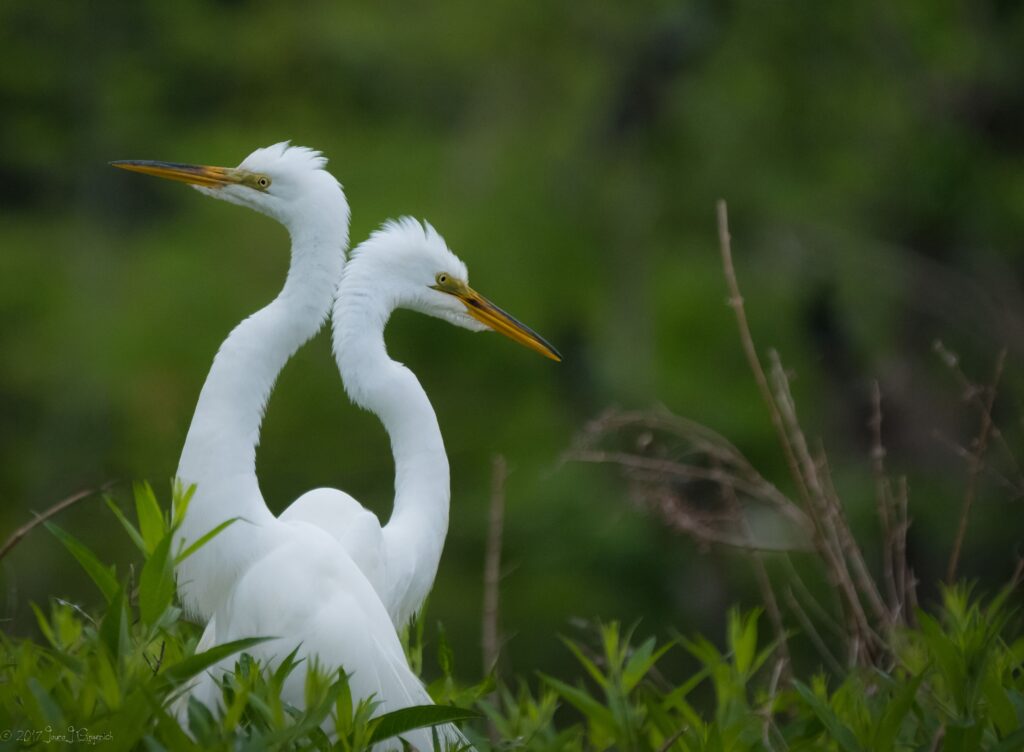
Some of the most pristine Carolina Bays are protected through public lands, conservation easements, wildlife refuges, state parks, military installations, and private landowner partnerships. Private landowners can donate or sell the development rights to their land to protect it in perpetuity. Conserving entire Carolina Bay complexes, rather than individual wetlands, helps maintain habitat connectivity, preserves natural ecological processes, and allows wildlife to move freely across the landscape.
Photo: Great Egrets in Dunahoe Bay, NC, Laura Gingrich
Upland Buffers and Habitat Connectivity

The health of Carolina Bays depends not only on the wetland itself but also the surrounding upland forests. Conserving natural vegetation around bays filters sediment and pollutants, stabilizes soils, maintains groundwater recharge, and provides essential habitat for species that migrate between wetlands and uplands throughout their life cycles. Maintaining wide forested buffers also protects bays from the impacts of nearby agriculture, forestry, and development. Equally important is preserving habitat connectivity between bays and other natural areas. Many amphibians, reptiles, mammals, and other wildlife move across the landscape to find breeding sites, food, shelter, and mates. Protecting wildlife corridors and connected forest habitats allows these movements to continue, promoting healthy gene flow between populations and increasing ecosystem resilience.
Photo: Mabee’s Salamander, Mike Martin
Monitoring and Research
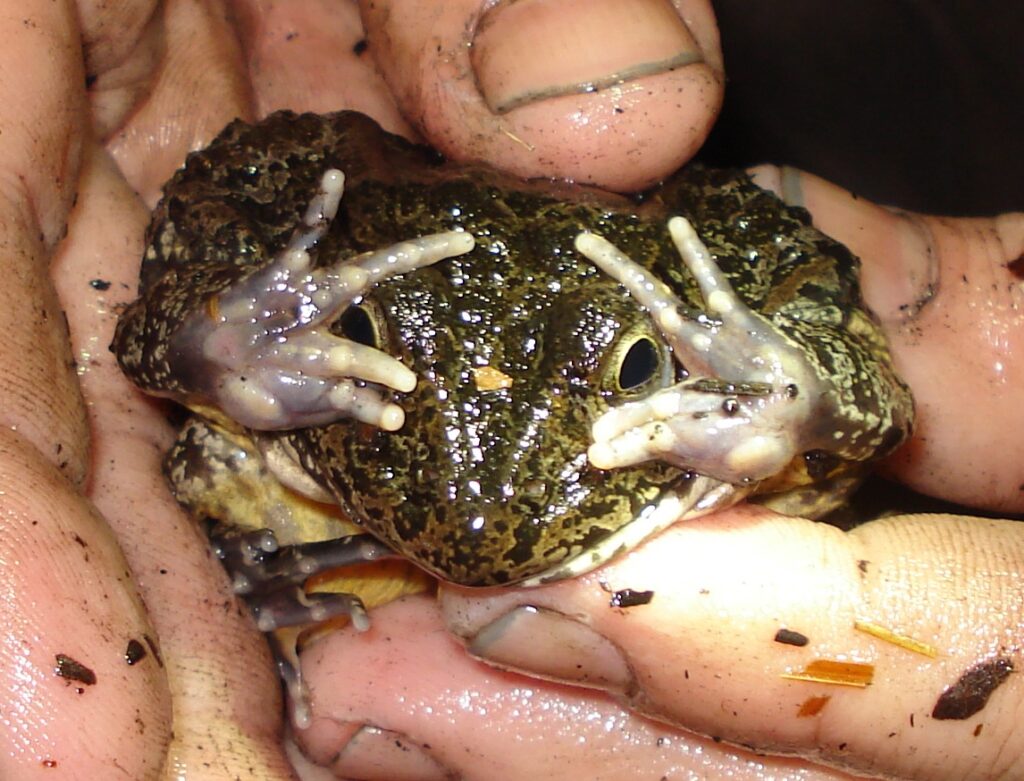
Since Carolina Bays are dynamic ecosystems that naturally fluctuate between wet and dry conditions, long-term monitoring is critical for understanding their health. Land managers monitor water levels, vegetation, amphibian populations, water quality, and rare species to evaluate restoration efforts and detect emerging threats. Continued research also helps answer longstanding questions about Carolina Bay formation, hydrology, and the impacts of climate change, providing the information needed to guide future conservation efforts.
Photo: Carolina Gopher Frog in defensive posture, Jeff Marcus