Stewarding a Carolina Bay on Your Property
Your Management Matters
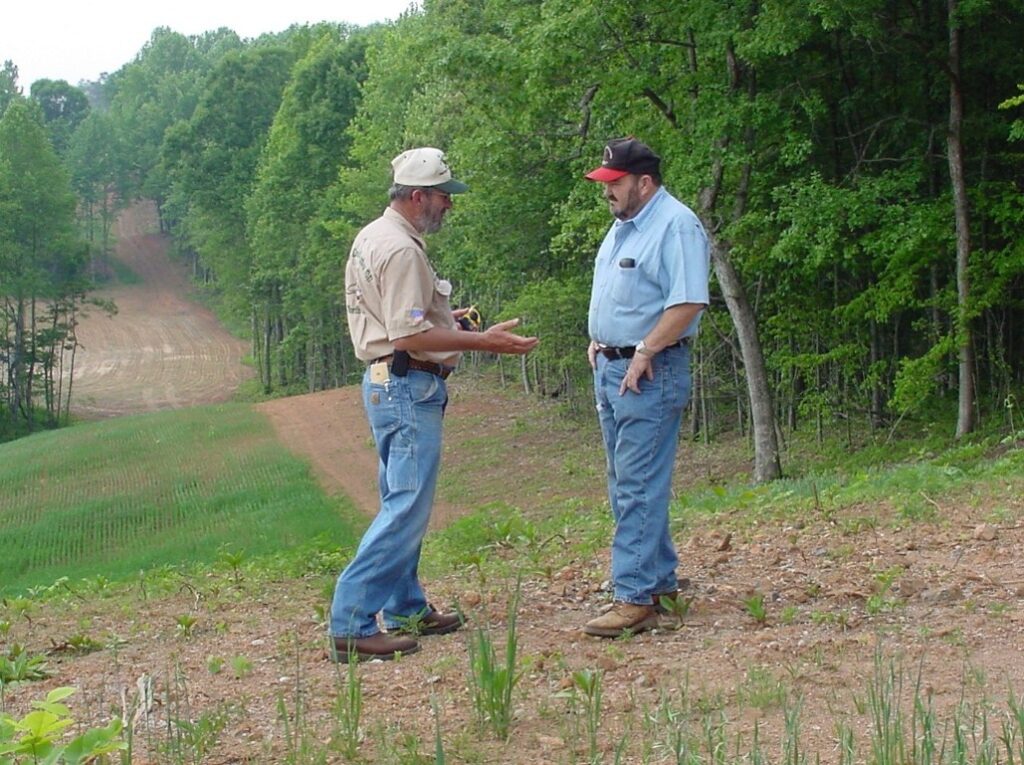
Private landowners who own wetlands or adjacent habitat play a critical role in conservation. If you are interested in managing for the many benefits of Carolina Bays, the first step is to evaluate what habitats you have on your property (wetland and upland habitats), the condition of those habitats, and to clarify your land management goals (e.g. increase game species for hunting, reduce flooding, generate revenue, benefit rare species, etc). When you have a clear understanding of where you are starting from and where you want to go, it can be helpful to develop a management plan to provide the “roadmap” of how to achieve your goals. A management plan can also be helpful in qualifying for some cost share and tax relief programs. Help with implementing your plan can come from cost share programs to reduce the cost, contractors to do work you are unable to do yourself, and biologists or foresters to help guide management. Links to contacts that could help you initiate this process are at the bottom of this page.
Photo: Landowner receiving technical guidance, David Sawyer
Benefits of Managing Bays On Your Land
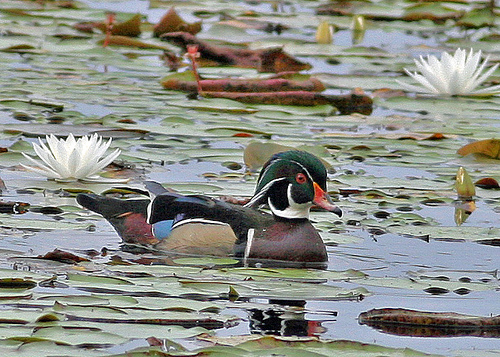
By stewarding your bays, you can help protect your land and downstream communities from flooding, improve local water quality, create opportunities for hunting, fishing, and foraging, and protect the many animals and plants that depend on these wetlands.
Photo: Wood Duck, Will Stuart
What Actions Help
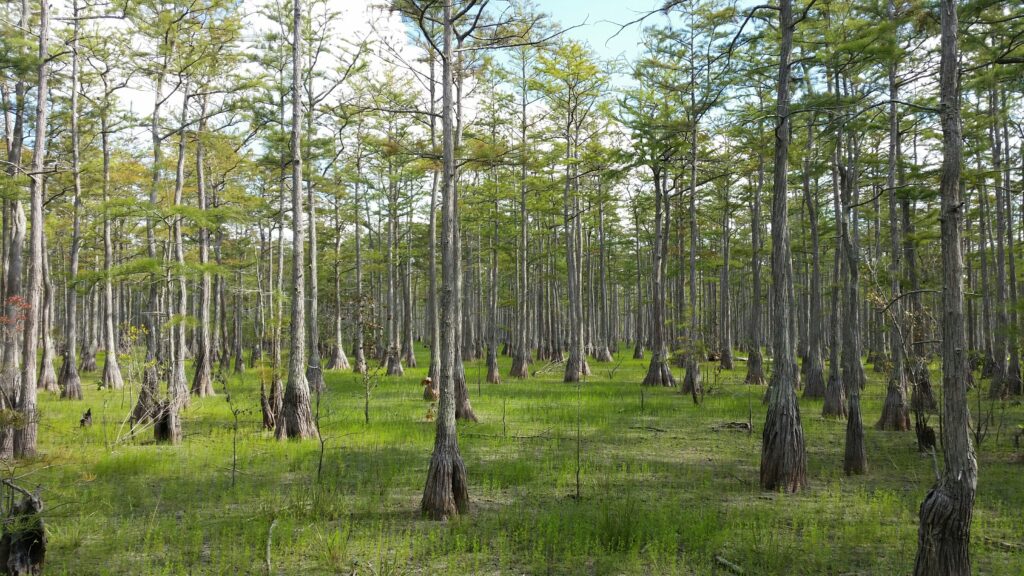
What did your Carolina Bay look like hundreds of years ago? How have recent human activities changed the ability of your bay to hold floodwater or provide homes to wildlife and diverse plant communities? Every bay is unique, and thinking about the answers to these questions can help you understand what your bay needs.
Bays vary widely by their size, soil type, hydrology, plant and animal communities, and disturbance. There is no one-size-fits-all method to restoring or managing a bay. However, the following guidelines may help you determine what your bay needs. For best results, consult with a professional forester or natural resource manager who can help design a management plan suitable for your bay.
Photo: Antioch Bay, NC, Jeff Marcus
Hydrology
Keep in mind that the hydrology of bays is highly variable and many will not hold water year-round, but even temporary flooding can help keep the vegetation community healthy, wildlife happy, and decrease flood risk for nearby areas.
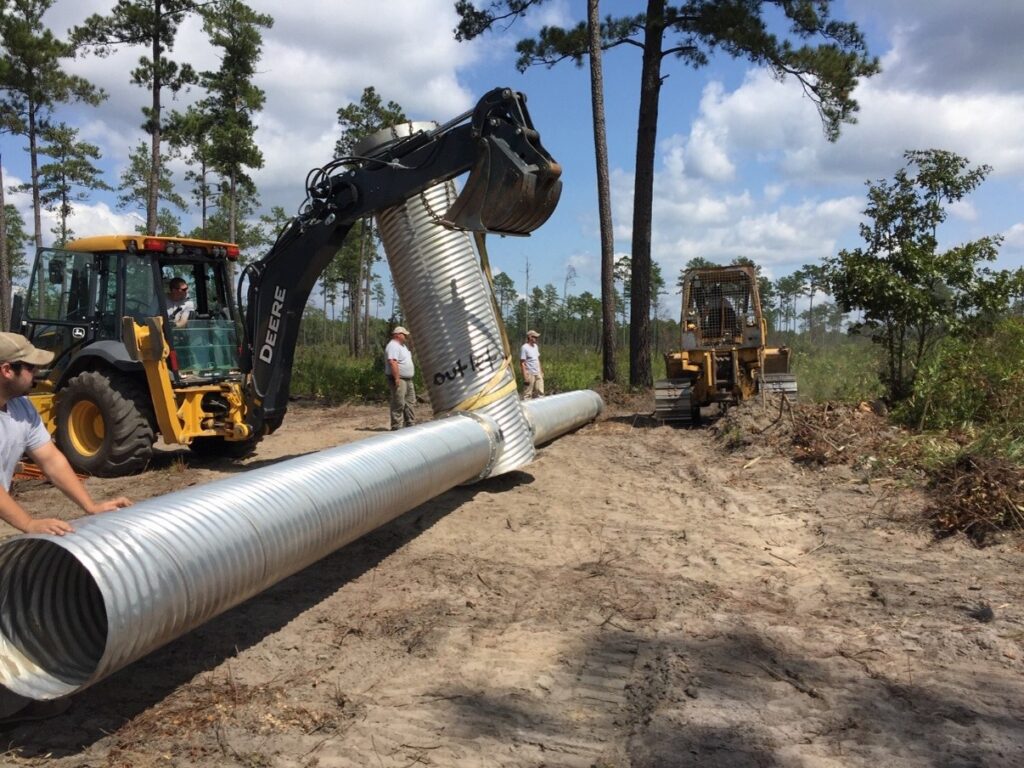
Many bays have been ditched, drained, or filled. Restoring the hydrology of your bay is essential for natural functioning. Ditches can be filled or plugged, and installing a water control structure at the outflow can allow for flexibility in adjusting water levels. Where dirt or fill material has been added to a bay, removing this fill material can help restore natural conditions. Depending on the scale of the project, consultation with an engineer may be advisable to assess the best course of action and determine how the restoration of your bay may impact surrounding areas.
Photo: Water control structure being installed, Jeff Marcus
Controlled Burning
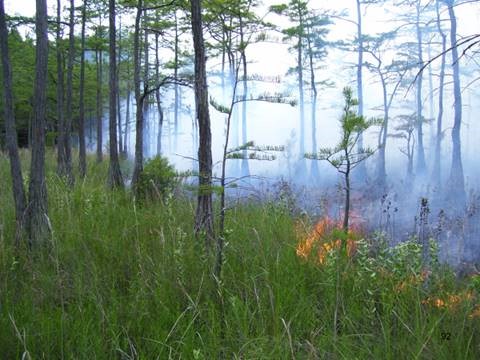
Many Carolina Bays are naturally adapted to regular fire. Bays managed for a meadow or forested savannah community need fire to knock back woody vegetation, allowing a rich array of grasses and wildflowers to thrive when the bay dries down.
If the bay has not seen fire in many years, preparation for controlled burning will involve construction of fire lines (ideally in the uplands, not the bay itself). In some cases, mechanically removing some of the woody vegetation from the bay before burning may help burn conditions. Controlled burns in bays should be conducted by experienced burn bosses under very specific weather and site conditions.
Check this map to see if there is a Prescribed Burn Association in your area that can help provide the training, support, and equipment needed to get fire on your land.
Photo: Prescribed Burn in Antioch Bay, NC, Alan Weakley
Vegetation Management
Understanding the ideal conditions for your Carolina Bay is essential for vegetation management. Consultation with an ecologist or other natural resource manager is recommended to assess what your target natural plant community looks like.
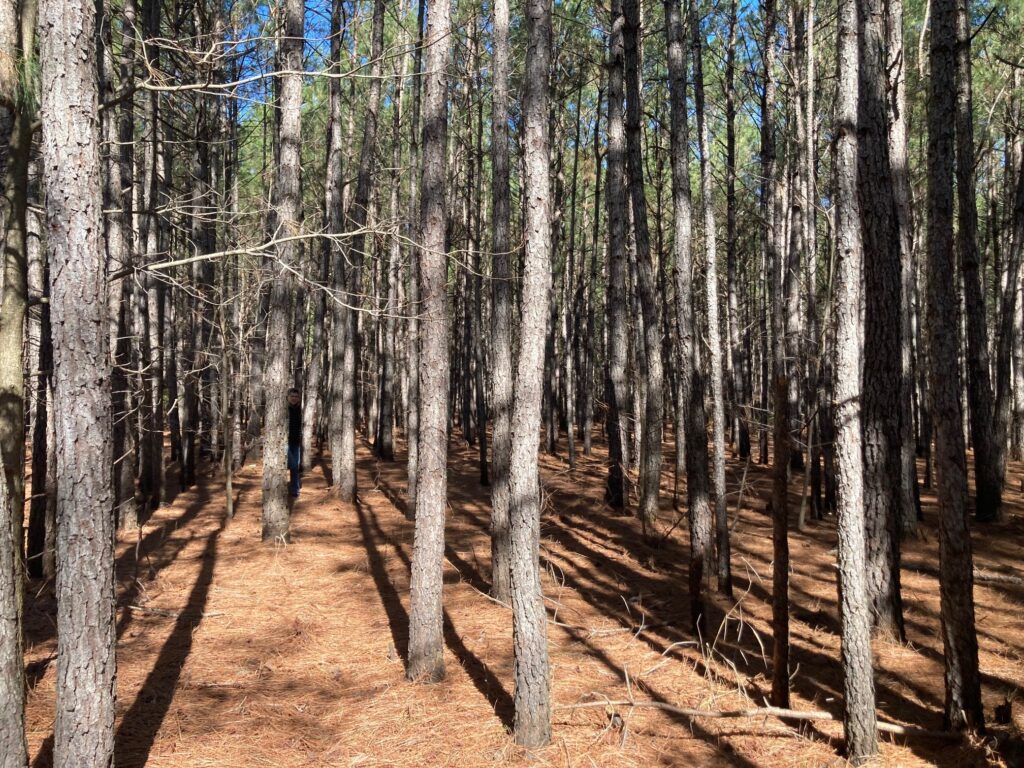
Removing undesirable plants such as invasive species or aggressive upland trees (like Sweetgum or Loblolly Pine) can benefit rare wildflowers or slow-growing young cypress trees.
Once you understand the desired conditions and plant community of your bay, you can tackle the undesirable species. Depending on the target species, the ideal management strategy may involve fire, mechanical removal, and/or herbicide application. For best results, combining fire with another method is often recommended.
Photo: Dense loblolly pine growing in fire suppressed bay, Tunstall Bay, NC, Jeff Marcus
Getting Some Assistance
Biologist from State, Federal, and non-profit organizations are available to meet with landowners and offer management recommendations, often at no charge. Private Consulting Foresters are another source of assistance who can help with planning management as well as conducting timber sales or lining up contractors, for a charge. These Technical Guidance professionals can help you to evaluate your property, develop a management plan, find and apply for cost share, and connect you with additional resources depending on your situation.
In North Carolina, a first point of contact for landowner assistance with Carolina Bays can be Matt Flint with the NC Wildlife Federation, matt@ncwf.org, 919-414-0519. NC landowners can find links to additional sources of assistance through the NC Longleaf Coalition.
In South Carolina, a first point of contact can be the Naturaland Trust, jen@naturalandtrust.org. SC landowners can also find assistance through the SC Forestry Commission, SC Department of Natural Resources, or US Fish and Wildlife Service. In addition to providing information to landowners, the Naturaland Trust is able to acquire land or conservation easements to protect high priority bays and related habitats.
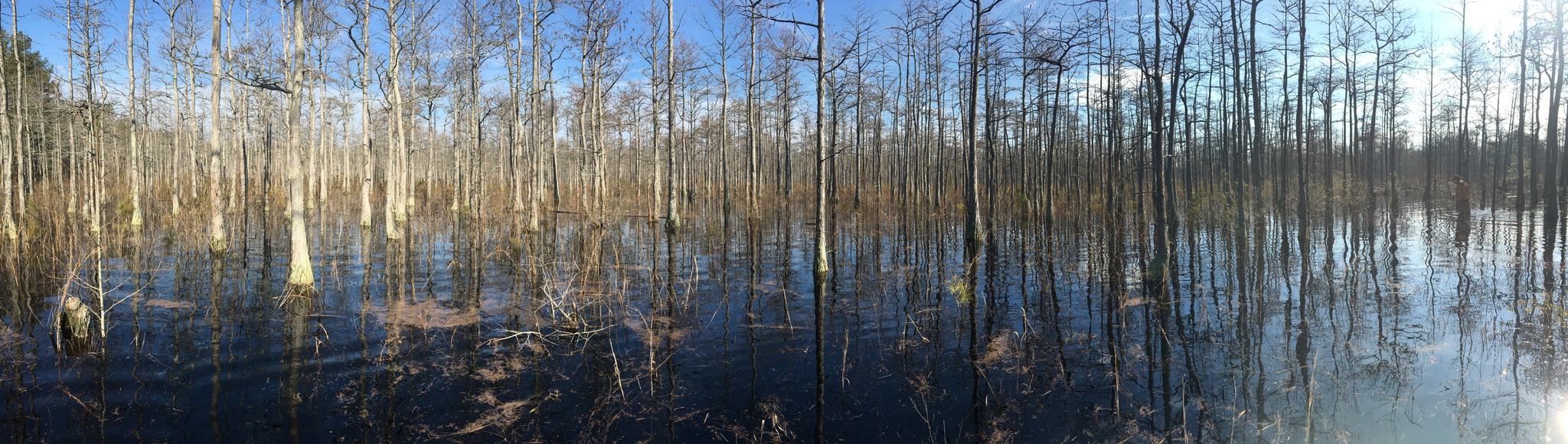
Banner Photo: Antioch Bay, Nate Shepard